A coherent summit concept
A preliminary site plan and clear visual studies that bring paths, arrival, native landscape, seating, and essential visitor needs into one considered whole.
Keep the mountain.
Care for the place.
Table Rock gives Boise a view of itself. Its future deserves the same care as the landscape that makes it extraordinary.
Boise Rising is developing a stewardship and protection project for Table Rock. Through Boise Civic Trust, the nonprofit behind this work, we’re shaping the project, assembling the team, raising the funding, and working through the landholder and public-agency relationships needed to move it forward.
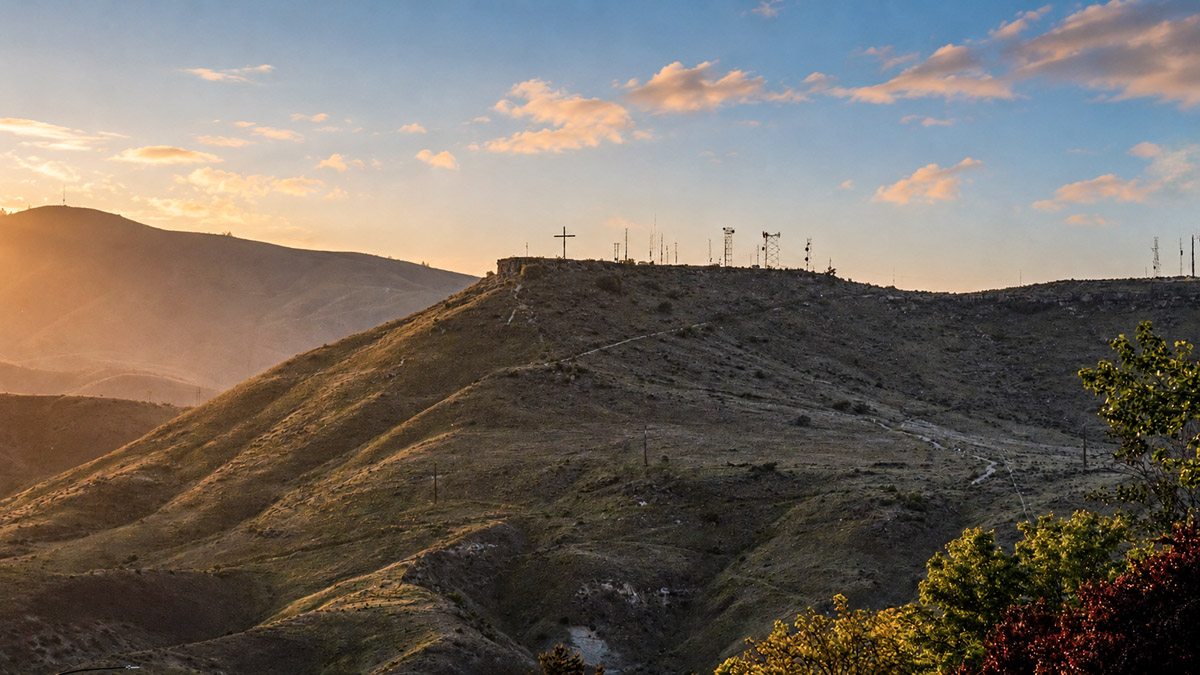
The openness, stone, native high-desert landscape, and long views are the reason people come here. The work begins with protecting those qualities.
A clearer final approach, a comfortable place to pause, less visual clutter, and better care could make the experience more welcoming without turning the summit into an attraction built around buildings.
The cross remains untouched. The aim is careful improvement, with the landscape still doing most of the work.
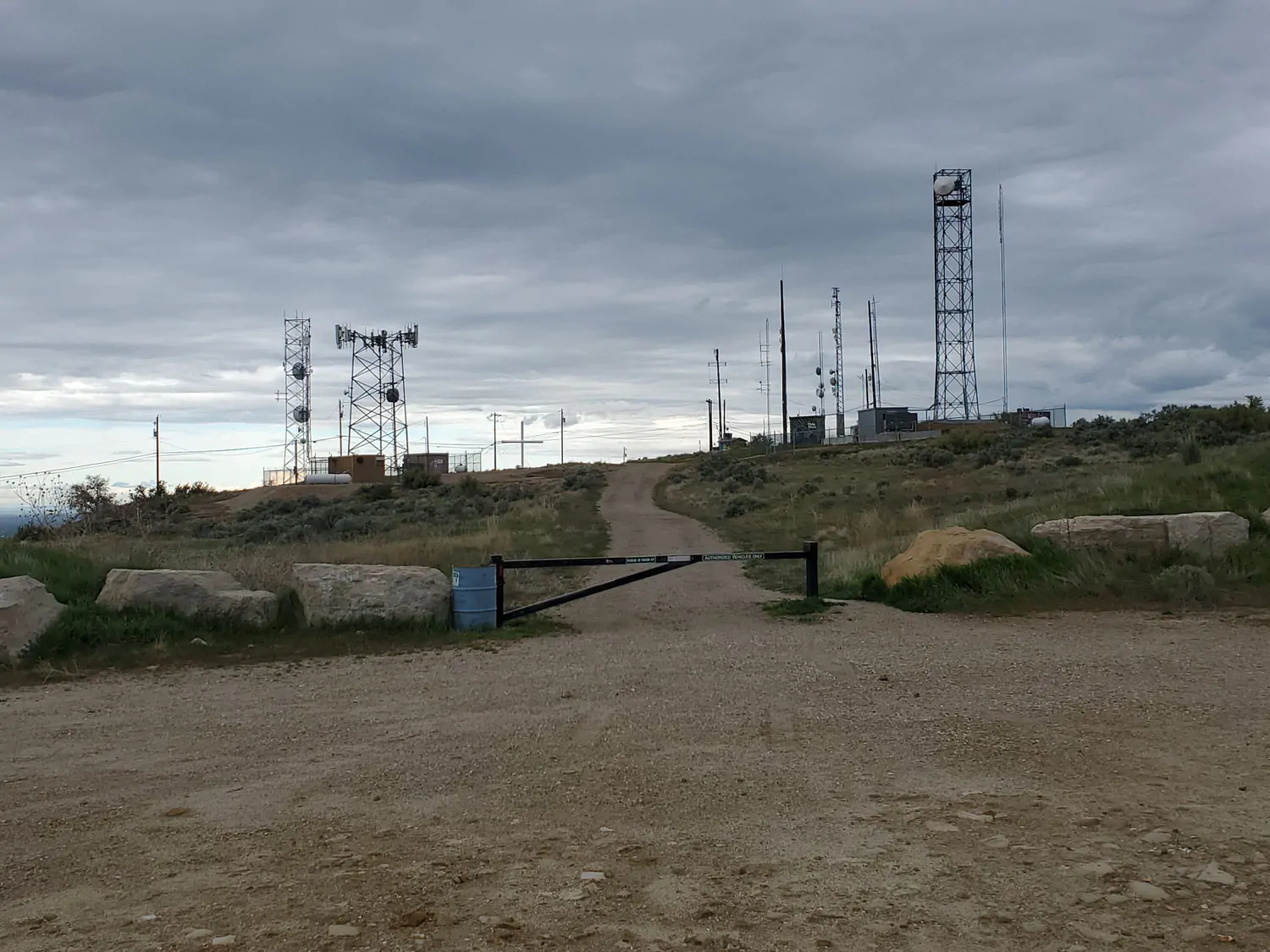
The approach and summit bring visitors into contact with gates, signs, fencing, and essential service infrastructure. Understanding those conditions is part of making a credible proposal.
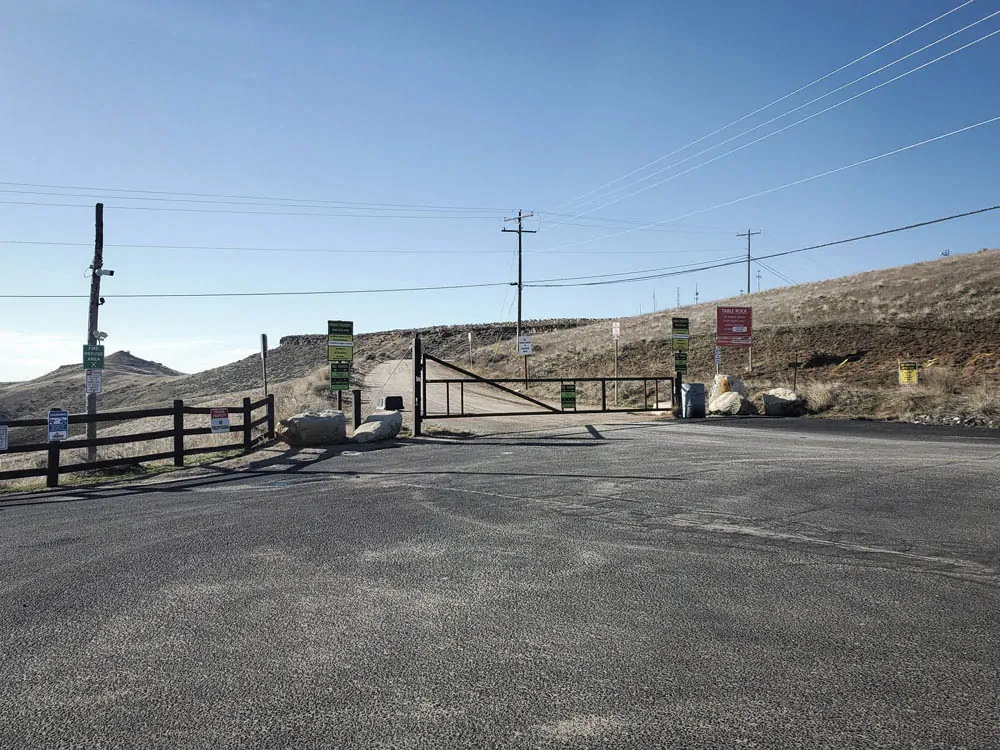
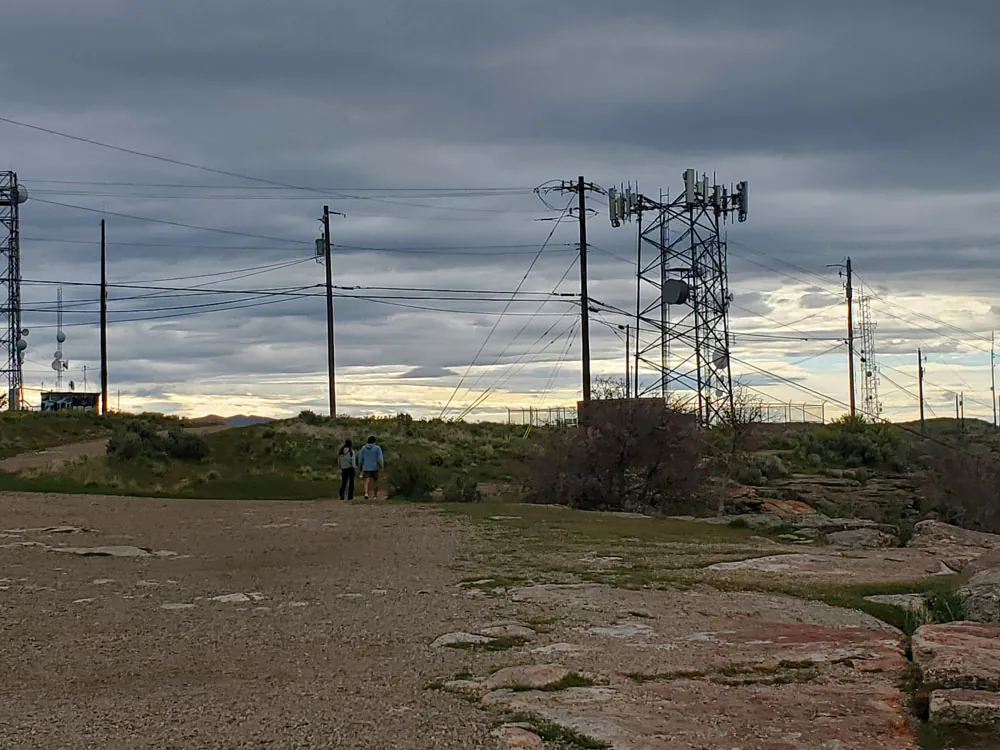
A defined path, low stonework, and native planting suggest a quieter arrival. The next step is to develop and test a concept against the site’s actual conditions.
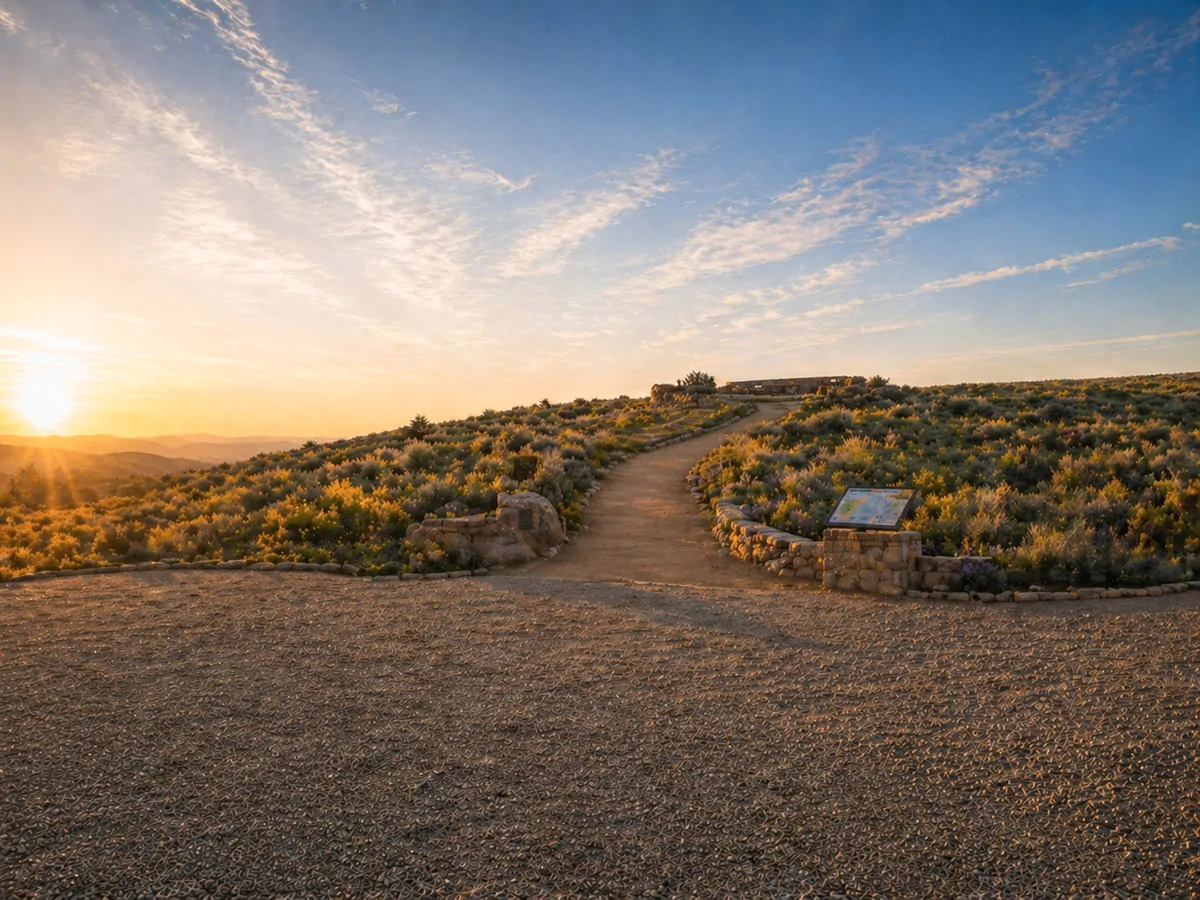
Illustrative concept. Planting, path design, and changes to utilities require further study and coordination. This image is an early direction, not an approved construction plan.
Boise Civic Trust leads the project’s development: assembling the professional team, working through land and authority questions, raising funds, and coordinating the concept and protection work.
A preliminary site plan and clear visual studies that bring paths, arrival, native landscape, seating, and essential visitor needs into one considered whole.
Survey and base mapping, followed by targeted work on access, drainage, utilities, sanitation, and maintenance, to ground the concept in the site’s actual conditions.
Clarify land ownership, public access, and stewardship responsibilities, and develop protection options with a practical route toward agreements and implementation.
The team is taking shape. A first survey quote is in hand, and the site-planning scope, professional roles, and overall budget are being refined. The first package will give landholders, agencies, funders, and the public a concrete concept and protection options to evaluate before deeper design and engineering.
The Table Rock project has developed through Boise Rising Studios, public input, site visits, and conversations with people working in design, conservation, trails, business, history, and civic life.
These names reflect conversations that have informed the work and permission to be listed. They do not imply endorsement of a particular design, formal project participation, agency approval, or support for future construction.
Support helps turn the vision into a coherent summit plan and workable protection options. Funding covers both Boise Civic Trust’s work to develop and carry the project and the outside professional work needed to ground the proposal in the landscape.
That means research, landholder and agency coordination, fundraising, team assembly, and protection strategy alongside survey and base mapping, landscape planning, technical analysis, and visualizations. Together, these give the project a foundation for public review, long-term care, and eventual implementation.
Choose your one-time amount at checkout.
Secure checkout with Stripe. Gifts are received by Boise Civic Trust, Inc.
Boise Civic Trust, Inc., the nonprofit behind Boise Rising, is the project’s civic developer. We hold responsibility for project formation, fundraising, team assembly, relationships, and moving the work forward. Qualified professionals carry the design, survey, engineering, and other technical work assigned to them.
Leading the project does not give us ownership of Table Rock or authority over its land. Landholders, public agencies, and other responsible parties retain their decision-making roles. The summit, approaches, roads, and surrounding lands have distinct ownership and responsibilities.
No. The project is in development and concept planning. No physical improvement, land transaction, access change, or construction project has been approved. Any future implementation would require the appropriate landholders, public agencies, technical review, funding, agreements, and public process.
The earlier Phase 1A research and mapping campaign has been replaced by this broader development package, which combines project leadership, professional concept work, and a path toward lasting protection.
Any gifts made under the earlier Phase 1A terms retain those terms. Please contact us if you have a question about an earlier contribution.
Tell us how you use Table Rock, what you value, and what you think needs attention. Local experience helps identify the right questions.
Share your perspectiveWeekly essays about place, public life, and Boise’s future. Occasional updates on Table Rock, Civic Path, the youth docuseries, and our nonprofit’s work.
Choose either or both. You can change your preferences or unsubscribe using the links in our emails.